Guide 1 · Warning Signs
Slab leak signs — and the two-hour test that settles it
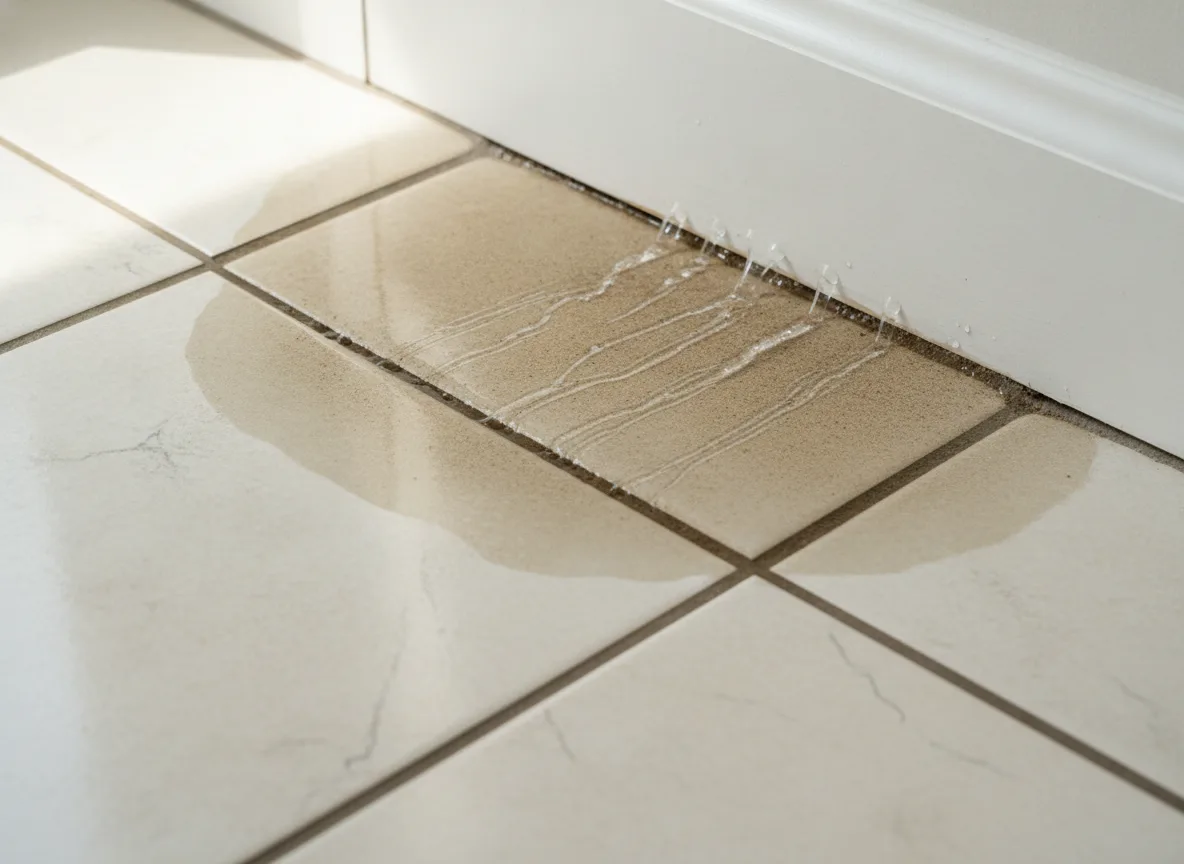
Most slab leaks are noticed as something else first: a water bill that crept up, a warm patch on the floor, a crack over a door. Here is how to tell.
Every plumbing job — leaks, drains, water heaters, sewer lines, emergencies. Here they all share one complication: the clay under the house never stops moving.

Try this first
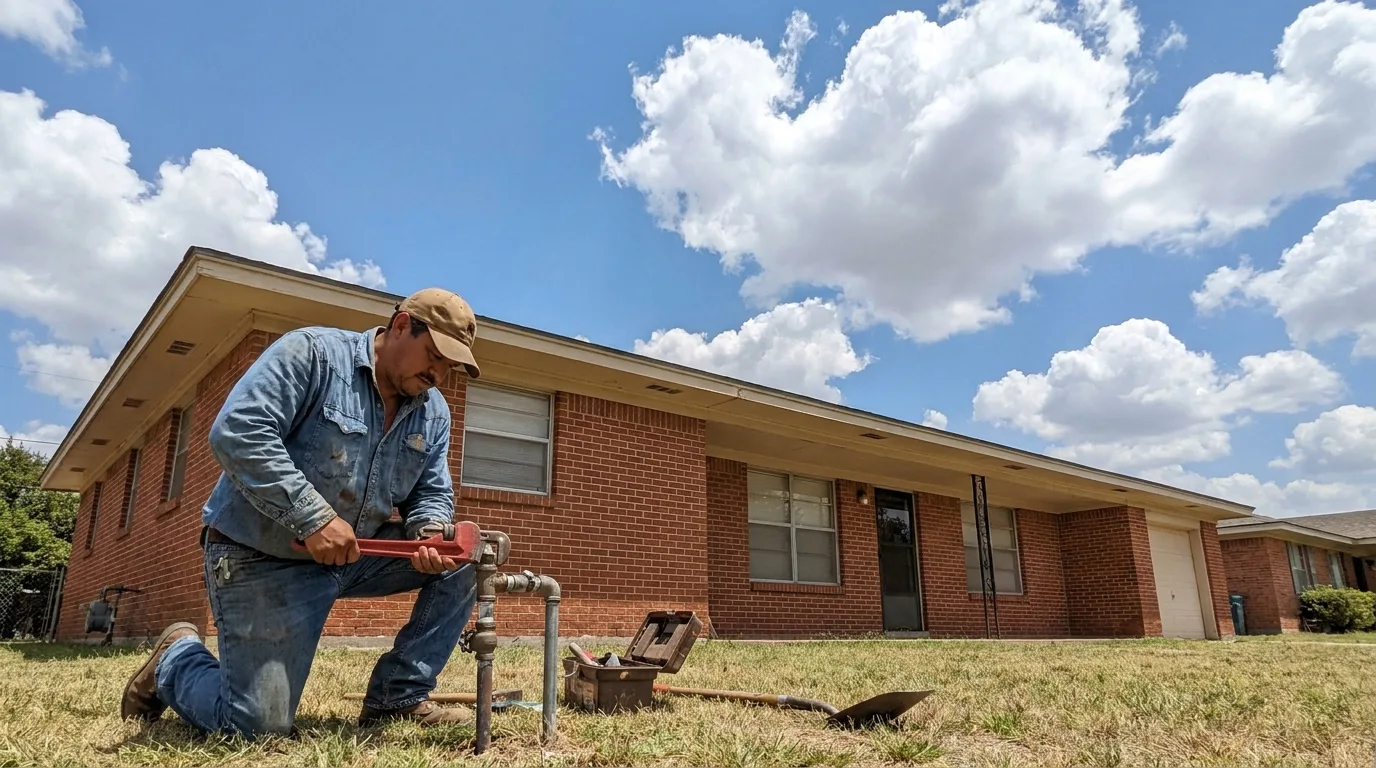
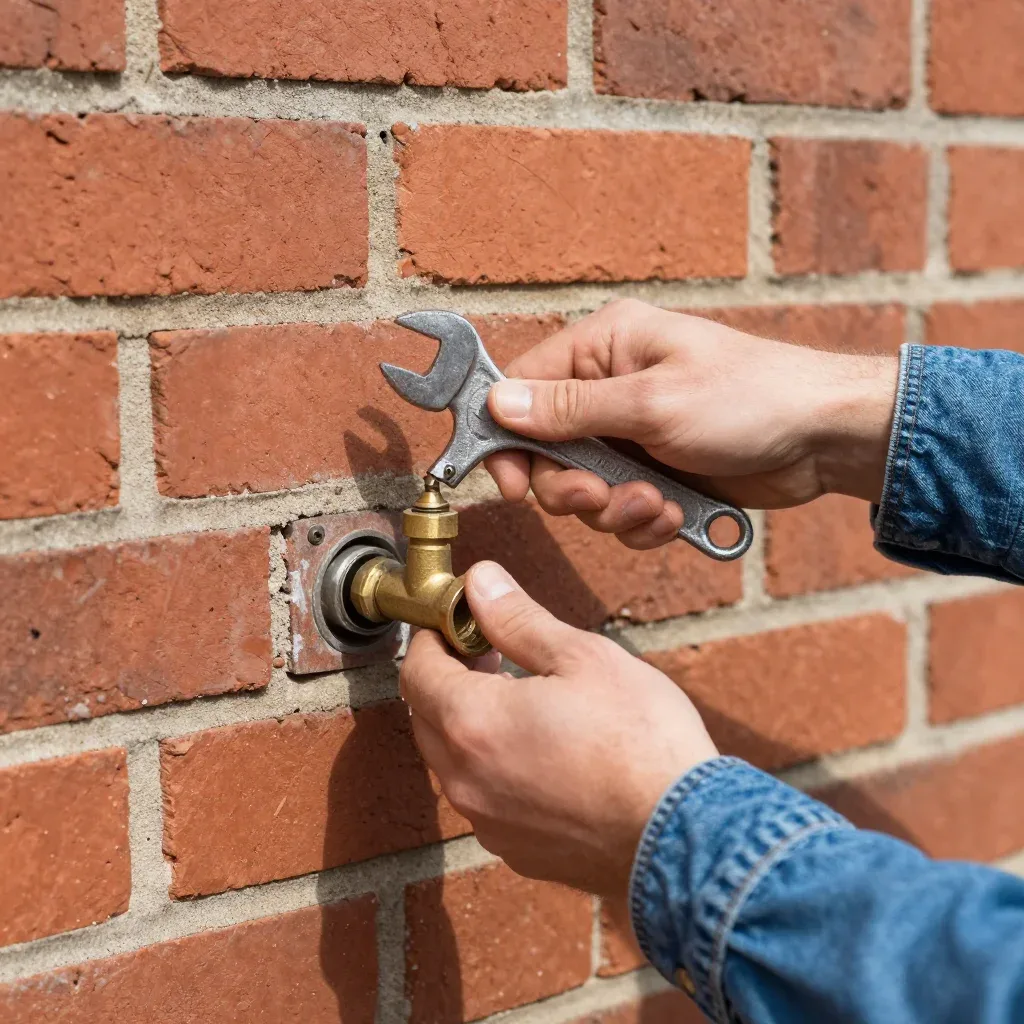
Every faucet, the ice maker, the irrigation. Nothing in the house drawing water.
At the curb, note the small sweep hand or the leak-indicator triangle — it turns with even tiny flow.
Movement with nothing running means water is escaping between the meter and the fixtures.
Good to know
It does not prove the leak is under the slab, but it proves there is one — and it is the single most useful thing you can tell a plumber on the phone. Isolate the irrigation separately and repeat it; that rules out the cheapest possible cause first.
Tell us what’s happening at your place.
The full list
All of it, across Fulshear and the surrounding Fort Bend County subdivisions.
Burst lines and active leaks, including the ones ground movement caused.
Hard water and sediment are the usual culprits here, and often a repair rather than a replacement.
With a flush schedule that reflects what Fort Bend water does to a tank.
Recurring blockages often trace back to a line that has sagged as the soil moved.
Clay movement pulls joints apart over years. A camera shows how far it has gone.
Located first, then repaired or re-routed — and the soil watched afterwards.
Ordinary work, done the same as anywhere. Not everything here is the soil's fault.
Re-routing out of the slab is sometimes cheaper than repairing what runs through it.
Three guides
Guide 1 · Warning Signs
Most slab leaks are noticed as something else first: a water bill that crept up, a warm patch on the floor, a crack over a door. Here is how to tell.
Guide 2 · Leak Detection
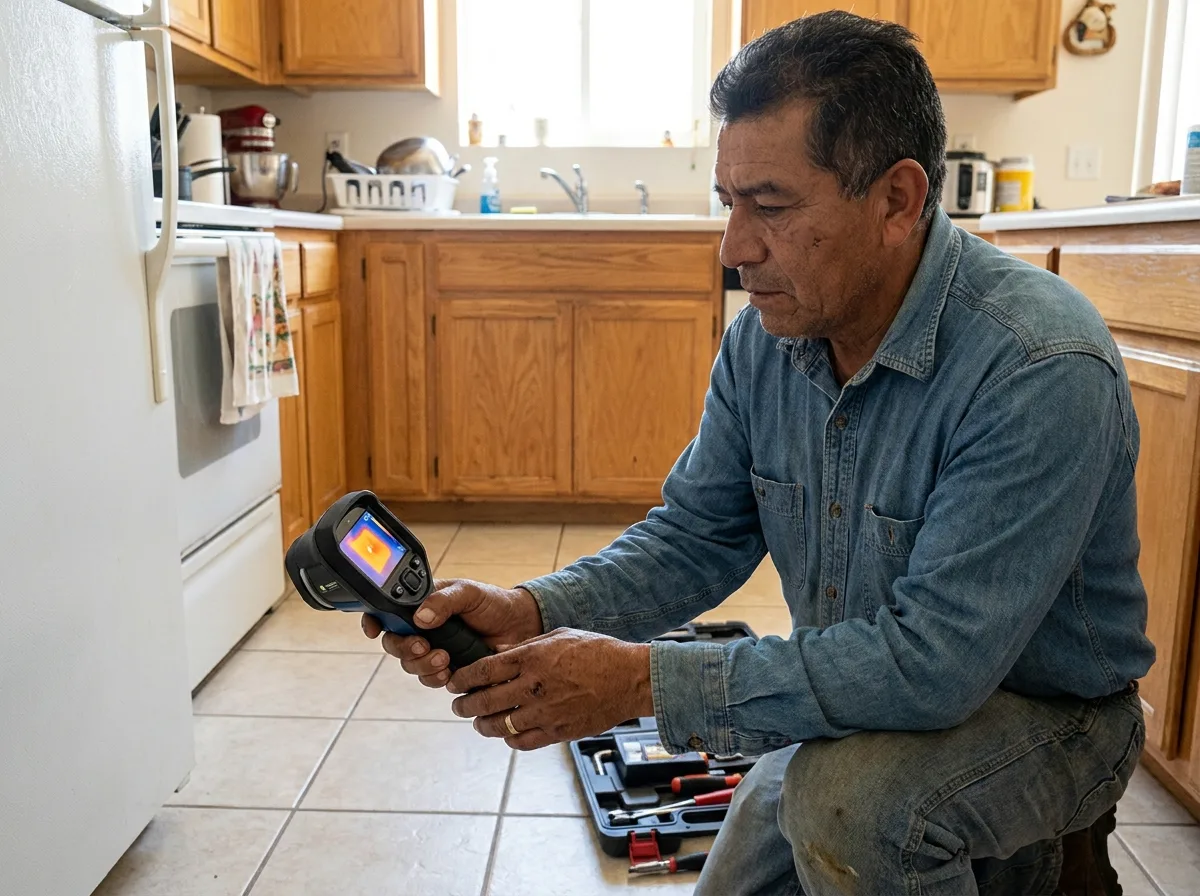
Nobody should be breaking concrete to go looking. Locating the leak is its own step, and it happens before anything is opened.
Guide 3 · Foundation Damage
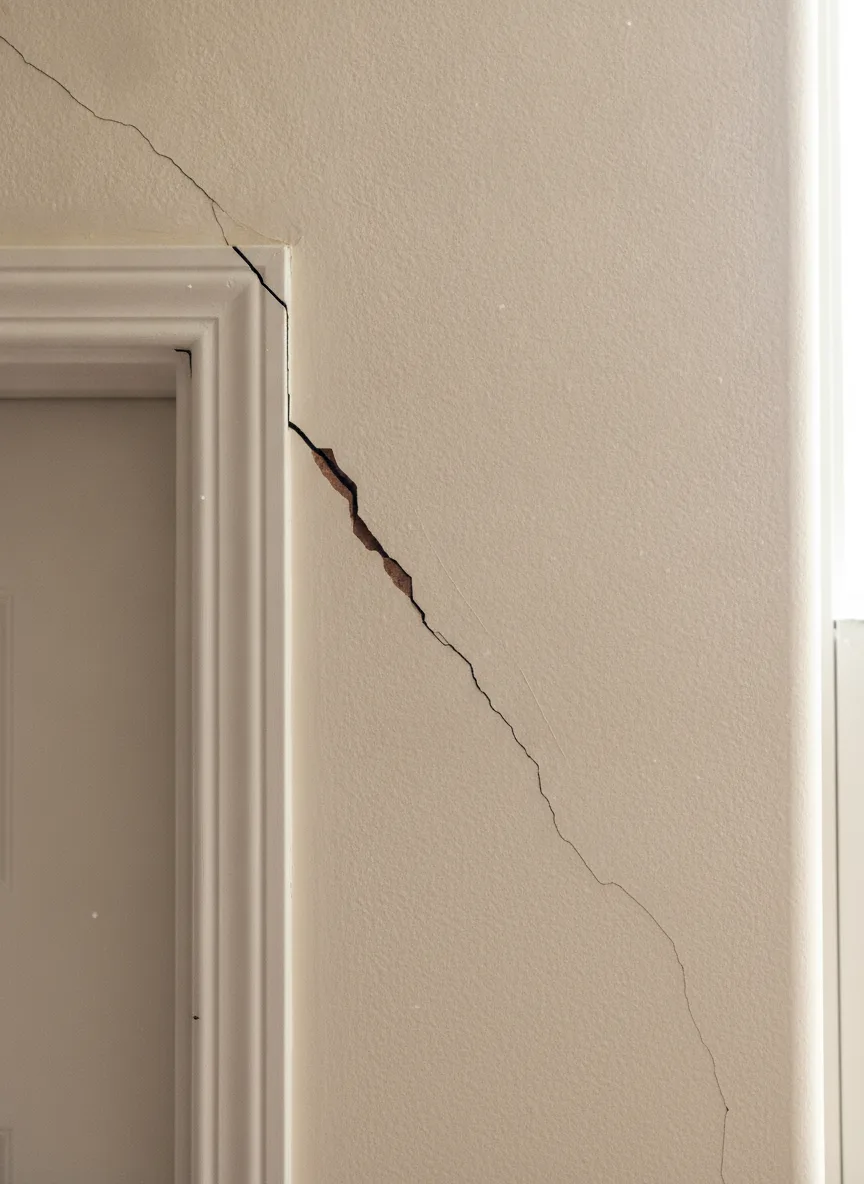
In Fulshear's clay, water under part of a slab does not just cost you water. It changes how the ground under that part of the house behaves.
How it works
Fill in the short form: what’s going on, where it is, and how soon you need someone.
Your request goes to an independent, licensed local plumbing contractor, and they call you to set up a visit.
The inspection is a flat $100. You get a written price for the repair before any work starts.
What to expect
Clay movement and hard water are the starting assumptions here, not things discovered halfway through.
Nobody should be breaking concrete to go looking. Detection is its own step and it comes first.
The $100 inspection ends with a number for the repair, not an estimate range.
Under their own license and insurance, with permits where the work requires them.
Fort Bend County, Texas
No. Plenty of jobs are an ordinary failed valve or a hair clog. But recurring problems and anything under the slab usually have ground movement somewhere in the story.
Policies differ widely. Many Texas policies cover the resulting water damage and the cost of accessing the leak but not the pipe repair itself. Your policy and carrier decide, not us.
More urgent than the water bill suggests. Soil movement under the slab is the expensive consequence and it compounds the longer it runs.
Yes — drains, water heaters, fixtures, emergencies, all of it. The soil is the local complication, not the limit of the work.
Send it over. A licensed local contractor calls you, and the $100 inspection ends with a written price.
Let’s take a look